

New York death metallers Castrator return with Coronation of the Grotesque, a record that marks a visceral evolution from their 2022 full-length debut Defiled in Oblivion. With a tighter lineup, sharpened focus, and heavier subject matter, the band pushes their sound—and message—into more menacing and refined territory.
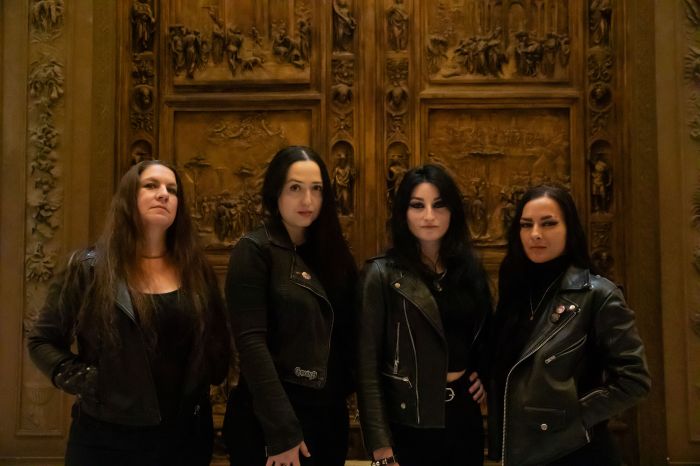
Photo by Ashley Taylor
Coronation of the Grotesque is described as a leap forward for the band. What specific musical or thematic elements do you feel mark the biggest evolution since Defiled in Oblivion?
According to Carolina, Coronation of the Grotesque reflects a significant evolution in several ways. The band has grown through experience, a more solidified lineup, and access to better resources. Touring helped them connect more deeply as a unit and discover the elements they truly enjoy bringing to the stage, like crushing breakdowns. Carolina explains that this time around, the writing process was guided by a much clearer and more defined sense of identity, which shaped the album into something more focused and powerful than anything they’ve done before.
The album tackles heavy topics like the killing of Mahsa Amini and historical eunuchization. How do you approach writing about such intense themes while still maintaining the raw energy of death metal?
Carolina shares that lyric writing begins with an idea that the band feels a genuine connection to. They spend time brainstorming and making sure the subject resonates with them personally. Once that foundation is there, the lyrics are molded to fit the structure of the music. While much changes during that process, she emphasizes that the raw emotions and intensity of death metal always remains at the forefront, anchoring the themes in something visceral and real.
Clarissa’s vocals are said to deliver the lyrical themes with power and precision. Can you talk about the vocal recording process and how she channels that emotional weight?
Clarissa describes her approach as rooted in staying true to her natural style while pushing herself further than ever before. For Coronation of the Grotesque, she wanted to bring a new level of brutality to her performance without losing the essence of her voice. The recording process was focused and detail-oriented, with Clarissa striving to perfect each take in terms of both sound and precision. She says the emotional weight came through naturally by fully immersing herself in the intensity of the themes.
With Sara Loerlein joining the band, how did her guitar work and songwriting influence the overall sound of the album?
While a good portion of the material was already underway before Sara joined, her arrival helped bring those ideas fully to life. Carolina notes that the band shared a common vision for the album incorporating nods to Chuck Schuldiner’s harmonic style, building strong and memorable riffs, and structuring the songs within a classic death metal framework. Everyone contributed riffs and ideas, and Sara’s black metal background introduced a new flavor to the lead work. Her influence added depth to the album’s sound and helped shape the journey from beginning to end into something cohesive and compelling.
The album was recorded across multiple studios with respected figures in the scene. What was the biggest challenge in coordinating such a wide-ranging production, and how did it benefit the final product?
Carolina explains that while this wasn’t the band’s first time recording across multiple studios, they made a deliberate effort to be more hands-on with the process. One major change from Defiled in Oblivion was being present for the mixing stage. Carolina worked closely with Noah, who recorded the drums, and ensured she was there for the mixing and mastering to guide the overall sound. Clarissa and Sara recorded their parts with Jordan in a relaxed, pressure-free setting, while Robin tracked at Obituary’s studio, a place where she felt completely comfortable. Everything was eventually sent to Noah for final assembly, and Carolina says the end result reflects a level of cohesion and satisfaction they hadn’t achieved before.
How has your touring experience with bands like Immolation and Cattle Decapitation shaped your approach to performing live and writing new material?
Robin reflects that while touring with major acts didn’t necessarily influence the band’s songwriting, it did raise the bar in terms of live performance. Being on the road with such established names pushed the band to give their best every night and maintain a high standard of intensity and professionalism. That pressure translated into tighter performances and a stronger overall presence.
“I Am Eunuch” and “Covenant of Deceit” stand out for their historical and social commentary. How do you balance storytelling with aggression in your songwriting?
For the band, balancing storytelling with aggression comes naturally because the historical events themselves are deeply brutal. She points to the harrowing realities behind these themes, like castration used as a tool of control or the grotesque punishments inflicted on people throughout history. The violence in the subject matter pairs seamlessly with the aggression of death metal, making it less about balancing and more about expressing the horror in a fitting sonic form.
If Coronation of the Grotesque were a monstrous creature from a horror movie, what would it look like—and would it prefer blast beats or breakdowns when it attacks?
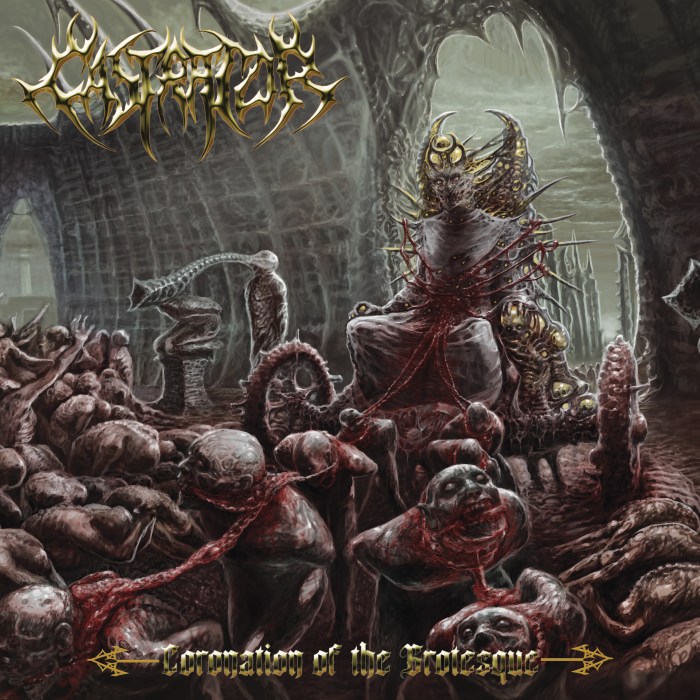
The creature would look exactly like the one featured in the album artwork by Zig, who captured the band’s vision perfectly, it absolutely would come with breakdowns. The creature’s entrance would be accompanied by slow, menacing breakdowns to build tension, followed by a full-on blast beat assault once it strikes. It’s a monstrous representation of the album’s dual nature, both brooding and relentless.
With Coronation of the Grotesque, Castrator prove that evolution in extreme music doesn’t mean compromise. It means doubling down on your message, sharpening your tools, and becoming even more fearsome in your execution.
Categories: Castrator, Interviews
 Capital Chaos TV
Leave a comment